
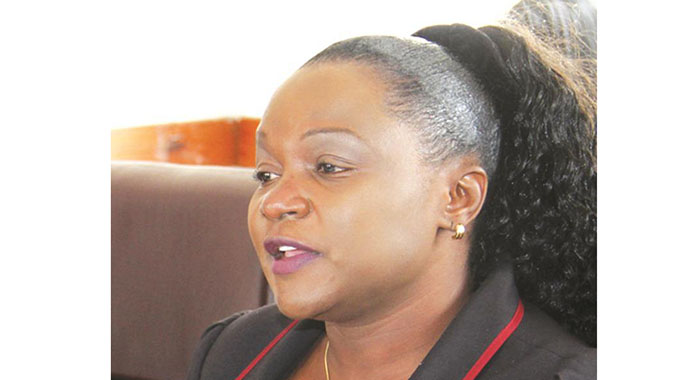

ATTORNEY-General Virginia Mabiza has dismissed calls for a referendum on the proposed constitutional changes, saying the demands are not grounded in law but are instead driven by political considerations.
Mabiza said the Constitution clearly stipulates circumstances under which a referendum is required, emphasising that the current amendments do not meet that threshold.
“Section 328(6) is deliberate and precise in that it reserves the ultimate democratic veto — the national referendum — for only three narrowly defined categories of amendment: any Bill that touches Chapter 4 (the Declaration of Rights), Chapter 16 (Agricultural Land), or section 328 itself. In every other case, once a Constitution Bill secures the required two-thirds majority in both Houses of Parliament, it must be forwarded to the President for assent.
This design by the legislature is deliberately framed with constitutional wisdom: to shield the most fundamental rights and land provisions from alteration without a referendum, The Constitution (Amendment No. 3) Bill, 2026, touches none of the protected chapters or sections. Therefore,no referendum is triggered or permitted.
I should emphasise that the constitutional basis for proceeding without a referendum is neither an option nor a loophole — 328(6)is very clear on this aspect . Any insistence on a referendum given the current scenario is devoid of any meaningful legal basis and logic. It is an unconstitutional demand.”
She said the legal position was clear and should not be distorted for political expediency, adding that constitutional provisions must be interpreted as they stand.
Mabiza’s remarks come amid increasing debate from some stakeholders pushing for a referendum on the proposed Constitution Amendment Bill No. 3, arguing that it requires wider public approval.
Justice, Legal and Parliamentary Affairs Minister Ziyambi Ziyambi also weighed in, dismissing the possibility of a referendum and reiterating that the Constitution already provides guidance on the matter.
“On the issue of a referendum, let me explain it by saying, in 2013, when we came up with a completely new Constitution, we put in safeguards on how the Constitution is supposed to be amended and within that constitution, which we took to the people for a referendum, we were given three scenarios where we require a referendum.”
“The people clearly indicated that don’t come to us if you are amending this constitution, if you are not touching these three. What you simply need is two-thirds majority. So this amendment does not touch chapter four, does not touch chapter 16, does not touch section 328,” Ziyambi said.