
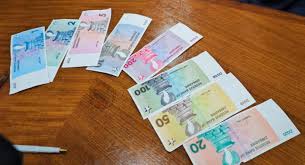

Zimbabwe Gold (ZiG) annual inflation rate dropped further, shedding 0,3 percentage points on the January rate to 3,8 percent in February, the lowest ever local currency inflation in nearly 30 years, as price changes remain anchored amid tight liquidity and high interest rates.
The ZiG annual inflation rate peaked at 95,8 percent in July last year
This comes as the exchange rate has remained largely steady, with the parallel market premium narrowing below 20 percent, keeping a lid on price movements that also track changes in the exchange rate.
Zimbabwe has achieved a significant reduction in inflation, with annual rates falling to single digits (approximately 4,1 percent in January 2026) for the first time in nearly three decades.
This dramatic turnaround from previous hyperinflationary cycles is driven by a combination of tight monetary policy, fiscal discipline and growing confidence in the gold-backed currency, the Zimbabwe Gold (ZiG)
“The ZiG year-on-year inflation rate (annual percentage change) for the month of February 2026 as measured by the all-items ZiG Consumer Price Index (CPI), was 3,8 percent, shedding 0,3 percentage points on the January 2026 rate of 4,1 percent,” the Zimbabwe National Statistics Agency (ZimStat) said.
This means prices increased by an average rate of 3,8 percent from February 2025 to February 2026.
Month-on-month price gains were subdued across the ZiG, US dollar and weighted indices.
“The ZiG month-on-month inflation rate was 0,1 percent in February 2026, gaining 0,1 percentage points on the January 2026 rate of 0,0 percent.”
This means that prices, as measured by the all-items ZiG Consumer Price Index, increased by an average rate of 0,1 percent from January 2026 to February 2026.
The marginal uptick reflects continued price stability in the local currency, despite slight movements in selected non-food categories.
Food inflation in ZiG terms softened during the month under review. ZimStat noted, “The ZiG month-on-month Food and Non-Alcoholic Beverages inflation rate was -0,1 percent in February 2026, shedding 0,2 percentage points on the January 2026 rate of 0,1 percent.”
However, non-food pressures ticked up modestly.
The February 2026 ZiG month-on-month non-food inflation rate was 0,3 percent, gaining 0,4 percentage points on the January 2026 rate of -0,1 percent. – The Herald